AI: Risk, Opportunity, or Both? A Debate on the Future of Intelligence
Few topics spark as much fascination and fear as artificial intelligence. Is AI the dawn of a new creative age or an existential threat to work, privacy, and truth?
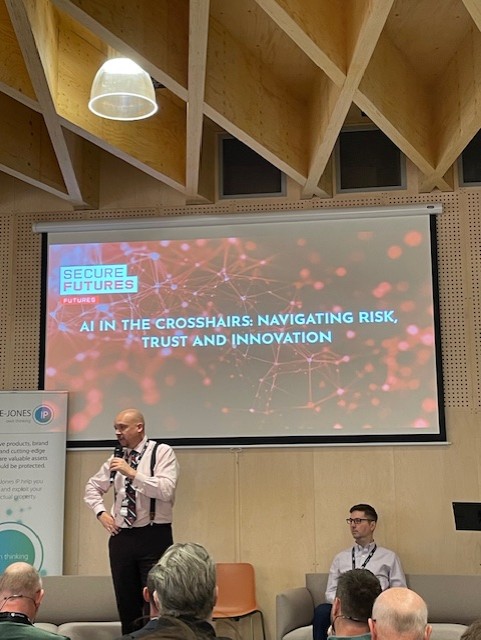
Based on a recorded discussion featuring Dr. Sarah Khan, AI Ethics Researcher, and James Turner, CEO of a fast-growing AI startup, this debate explored both the promise and the peril of our AI-powered future.
The Promise of Progress
Turner began by celebrating the tangible benefits AI already delivers.
"AI is accelerating drug discovery, improving climate models, and automating dull, repetitive work. The question isn't whether AI should exist — it's how responsibly we manage it."
From medicine to logistics, AI is transforming industries once limited by human bandwidth. For Turner, the technology is a multiplier for innovation — freeing people to focus on strategy, creativity, and empathy.
The Perils of Power
Dr. Khan countered with caution.
"AI systems are being deployed faster than we can assess their fairness or impact. We're widening ethical gaps around bias, surveillance, and job displacement."
While Turner called for flexible regulation that evolves with technology, Khan stressed that voluntary codes aren't enough. Without enforceable standards, she warned, profit often trumps public interest. The debate captured the growing tension between innovation and accountability.
The Future of Work
Both agreed that AI will fundamentally reshape employment — but not in the same way.
"AI is now competing in creative and cognitive work. We need reskilling programs and safety nets."
Emphasis on preparing workers for transition and protecting those displaced by automation.
"Every industrial revolution creates new kinds of jobs. Businesses that embrace this mindset will thrive."
Optimism about job creation and opportunities for businesses that adapt to AI-driven change.
Whether liberation or disruption, both saw the transition as inevitable — demanding leadership from governments, educators, and employers alike.
Building a Responsible AI Ecosystem
Asked what gave them hope, both speakers pointed to transparency and collaboration.
"The more we open up datasets and model explanations, the more trust we can rebuild." — Dr. Khan
"When humans and AI collaborate rather than compete, we can solve challenges faster than ever before." — Turner
They agreed the future of AI depends not just on code — but on culture, ethics, and intent.
There are exciting opportunities for companies of all sizes with AI. It's levelling the playing field for smaller businesses that can now buy more affordable solutions or even build their own.
AI enables better automation, smarter decision-making, and greater operational efficiency — allowing organisations to earn more per employee.
As the Klarna CEO recently noted, his company has dramatically increased revenue per employee thanks to intelligent automation. These kinds of advantages are only possible with a clear strategy, an understanding of the bottlenecks in your business, and conviction in adoption.
That said, AI brings real risks. Companies need robust policies and procedures around how AI is used internally — particularly with chatbots and tools that learn from your data. Without clear governance, sensitive information can easily be exposed or extracted.